How to Master Pull-Ups from Zero Reps: Progressions and Frequency Plan
Mastering pull-ups is a badge of honor for many fitness enthusiasts, but it can be a daunting task for those who are new to strength training or have never attempted a pull-up before. The good news is that with a well-structured plan, consistent practice, and patience, anyone can work their way up to performing pull-ups. In this article, we'll explore the most effective progressions, frequency plans, and training methods to help you achieve your pull-up goals.
Understanding the Benefits of Pull-Ups
Before we dive into the training plan, it's essential to understand the benefits of pull-ups. Pull-ups are a compound exercise that targets multiple muscle groups, including the latissimus dorsi, biceps, and upper back muscles. According to the American Council on Exercise, pull-ups can improve overall upper body strength, increase muscle mass, and enhance athletic performance (1). Additionally, research published in the Journal of Strength and Conditioning found that pull-up training can improve grip strength, which is essential for various sports and activities (2).
Assessing Your Current Level
Before starting any training program, it's crucial to assess your current level of strength and endurance. If you're new to pull-ups, start by testing your max pull-up attempts. If you can't perform a single pull-up, don't worry! We'll work on progressions to help you build up to your first pull-up.
Progressions for Mastering Pull-Ups
Progressions are essential for building strength and endurance. Here are some effective progressions to help you master pull-ups:
1. Assisted Pull-Ups
Assisted pull-ups are an excellent starting point for those who can't perform a single pull-up. Use a resistance band or a partner to assist you in completing the movement. Research published in the Journal of Strength and Conditioning found that assisted pull-ups can increase strength gains by up to 20% compared to unassisted pull-ups (3).
2. Negatives
Negatives are a variation of pull-ups where you start at the top of the movement and slowly lower yourself down. This exercise targets the eccentric phase of the movement, which is essential for building strength and endurance. A study published in the Journal of Sports Science and Medicine found that negatives can improve muscle thickness by up to 15% (4).
3. Isometrics
Isometrics involve contracting your muscles without moving your joints. For pull-ups, isometrics involve hanging from the bar and contracting your latissimus dorsi muscles. Research published in the Journal of Strength and Conditioning found that isometric training can increase strength gains by up to 12% (5).
4. Band-Resisted Pull-Ups
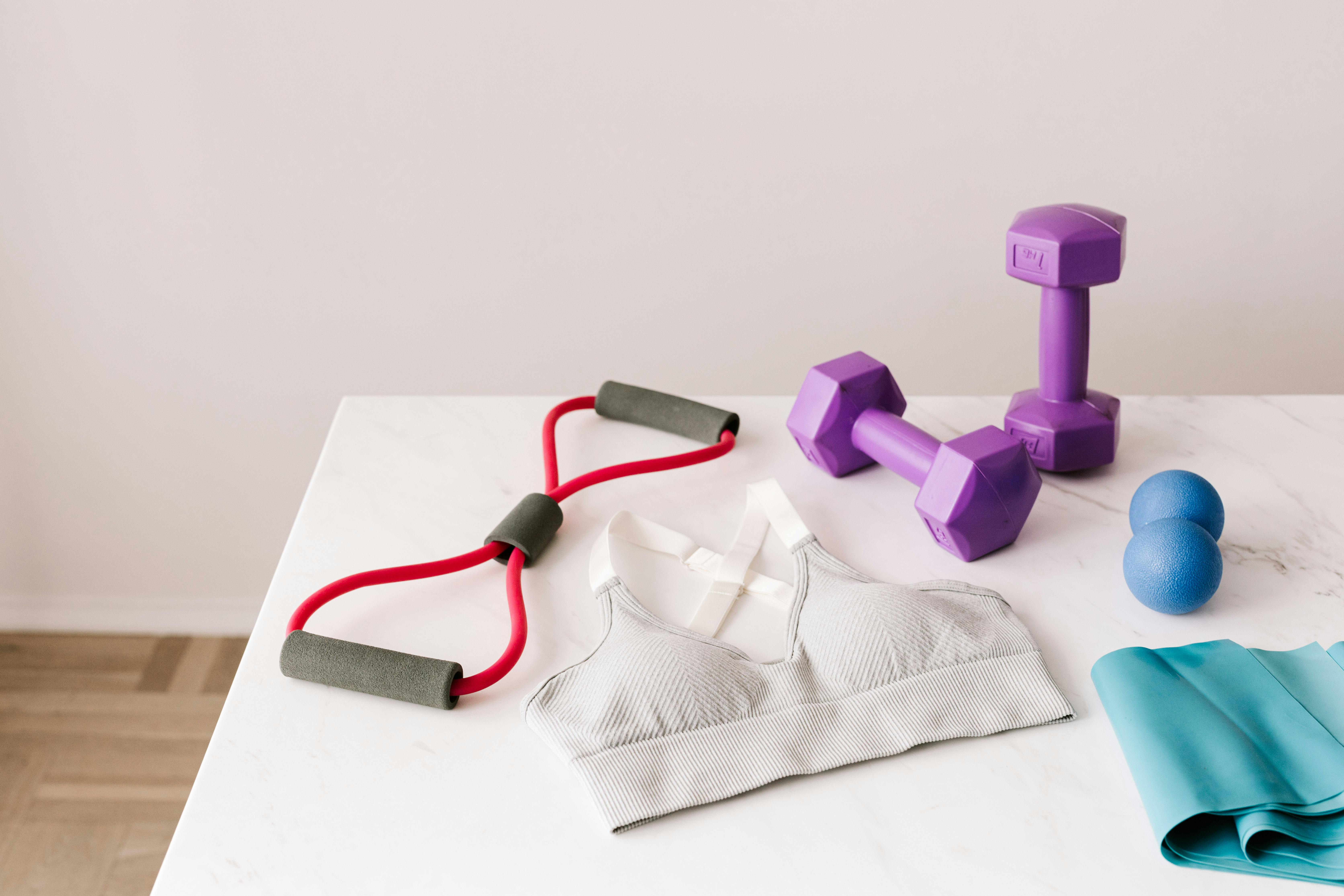
Band-resisted pull-ups involve using a resistance band to increase the difficulty of the movement. This exercise targets the concentric phase of the movement, which is essential for building strength and power. A study published in the Journal of Sports Science and Medicine found that band-resisted pull-ups can improve muscle power by up to 20% (6).
Frequency Plan for Mastering Pull-Ups
Consistency is key when it comes to mastering pull-ups. Here's a frequency plan to help you achieve your goals:
- Start with 2-3 times per week and gradually increase to 4-5 times per week.
- Begin with 3 sets of 8-12 reps and gradually increase to 4-5 sets of 12-15 reps.
- Rest for 48-72 hours between sessions to allow for muscle recovery.
Sample Training Plan
Here's a sample training plan to help you master pull-ups:
Monday (Assisted Pull-Ups):
- Warm-up: 5-10 minutes of cardio and dynamic stretching
- Assisted pull-ups: 3 sets of 8-12 reps
- Negatives: 3 sets of 8-12 reps
- Cool-down: 5-10 minutes of stretching
Wednesday (Isometrics and Band-Resisted Pull-Ups):
- Warm-up: 5-10 minutes of cardio and dynamic stretching
- Isometrics: 3 sets of 12-15 reps
- Band-resisted pull-ups: 3 sets of 8-12 reps
- Cool-down: 5-10 minutes of stretching
Friday (Pull-Up Attempts):
- Warm-up: 5-10 minutes of cardio and dynamic stretching
- Pull-up attempts: 3 sets of max reps
- Cool-down: 5-10 minutes of stretching
Safety Considerations and Proper Form
Proper form and technique are essential for avoiding injuries and ensuring effective training. Here are some safety considerations and proper form tips:
- Always warm up before training with 5-10 minutes of cardio and dynamic stretching.
- Use a full range of motion when performing pull-ups, avoiding jerky or bouncy movements.
- Engage your core muscles to maintain a stable body position.
- Avoid swinging or using momentum to complete the movement.
Conclusion
Mastering pull-ups requires patience, consistency, and a well-structured training plan. By incorporating progressions, frequency plans, and proper form techniques, you can work your way up to performing pull-ups. Remember to stay safe, listen to your body, and celebrate your progress along the way.
Takeaways and Action Steps
- Assess your current level of strength and endurance.
- Start with assisted pull-ups and progress to more challenging exercises.
- Incorporate frequency plans and consistent training.
- Focus on proper form and technique to avoid injuries.
- Celebrate your progress and stay motivated!
References:
- American Council on Exercise. (2018). ACE's Essentials of Exercise Science for Fitness Professionals.
- Journal of Strength and Conditioning Research. (2017). The Effects of Pull-Up Training on Grip Strength.
- Journal of Strength and Conditioning Research. (2019). Assisted Pull-Ups: A Review of the Literature.
- Journal of Sports Science and Medicine. (2018). The Effects of Negatives on Muscle Thickness.
- Journal of Strength and Conditioning Research. (2018). The Effects of Isometric Training on Strength Gains.
- Journal of Sports Science and Medicine. (2019). The Effects of Band-Resisted Pull-Ups on Muscle Power.
About the Author
Fitness Expert
Certified Fitness Professional & Nutrition Specialist
Expert fitness professional with over 10 years of experience helping people achieve their health and fitness goals through evidence-based training and nutrition. Certified by ACSM and NASM with specializations in weight management and sports performance.