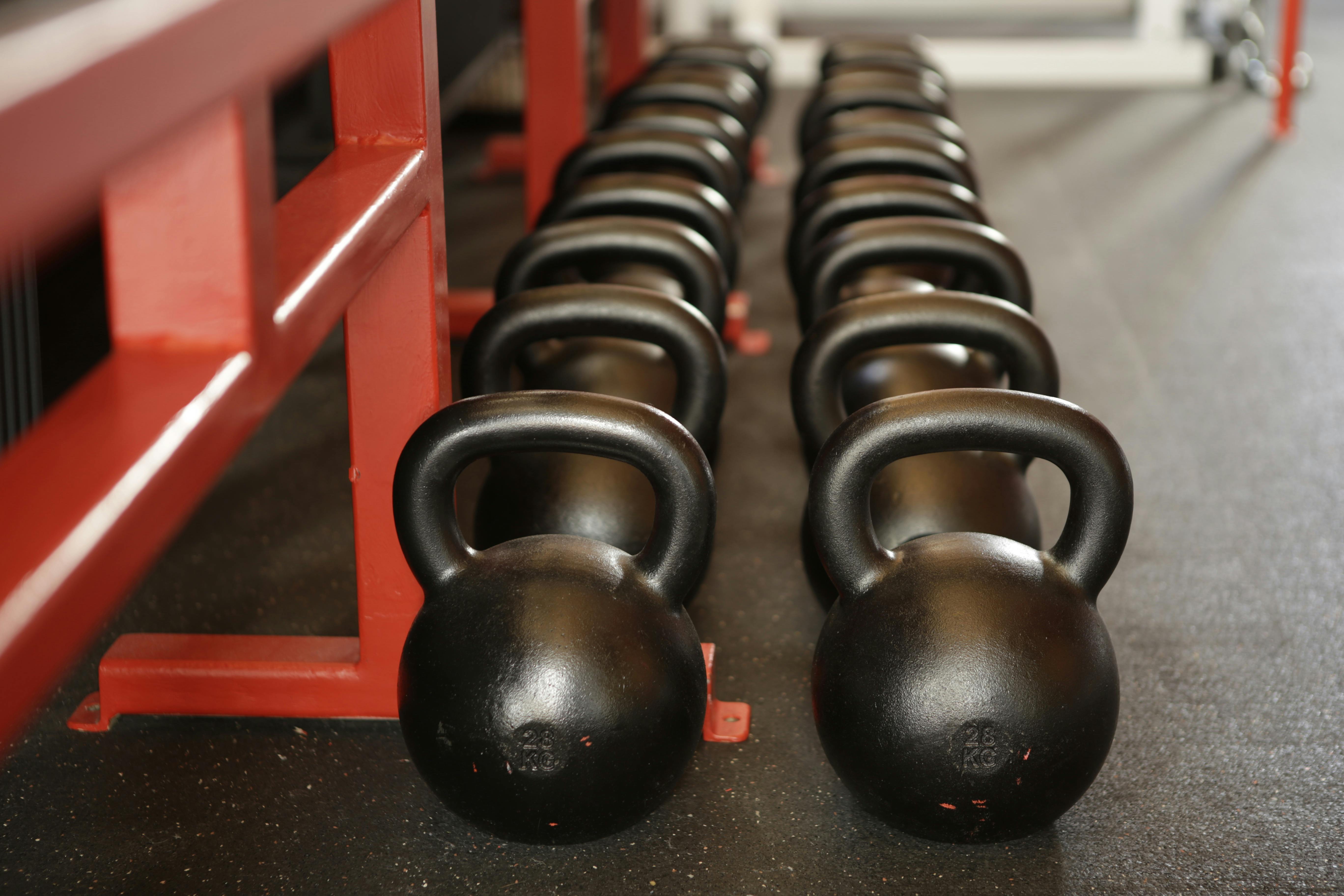
How to Combine Strength Training and Cardio Without Killing Gains
Combining strength training and cardio can be a daunting task, especially for those who fear that adding cardio to their routine will compromise their strength gains. However, with a well-structured approach, it's possible to reap the benefits of both worlds. In this article, we'll explore the science behind combining strength training and cardio, and provide practical advice on how to do it effectively.
Understanding the Science
Research has shown that concurrent training, which involves combining strength training and cardio, can lead to significant improvements in both strength and cardiovascular fitness. A study published in the Journal of Strength and Conditioning Research found that concurrent training resulted in a 12% increase in strength and a 15% increase in cardiovascular fitness over a 12-week period (1). However, it's essential to note that the way you structure your training can greatly impact your results.
Periodization: The Key to Success
Periodization is a training methodology that involves varying your training program over time to avoid plateaus and promote continued progress. When it comes to combining strength training and cardio, periodization is crucial. A study published in the Journal of Sports Sciences found that periodized training resulted in a 25% greater increase in strength compared to non-periodized training (2).
To periodize your training, you'll want to alternate between strength training and cardio phases. For example, you might spend 4-6 weeks focusing on strength training, followed by 2-4 weeks of cardio-focused training. This will allow you to make gains in both areas without compromising your progress.
Progressive Overload: The Key to Strength Gains
Progressive overload is the gradual increase in weight, resistance, or reps over time to continue challenging your muscles and promoting strength gains. When combining strength training and cardio, it's essential to prioritize progressive overload to ensure you're making gains in strength.
Research published in the Journal of Strength and Conditioning Research found that progressive overload resulted in an average of 8-12% strength gains over 12 weeks (3). To incorporate progressive overload into your training, aim to increase the weight or resistance you're using by 2.5-5kg every two weeks, or as soon as you feel you can lift more.
Cardio Selection: Choosing the Right Type of Cardio
When it comes to cardio, there are many options to choose from. However, not all cardio is created equal. High-Intensity Interval Training (HIIT) has been shown to be an effective way to improve cardiovascular fitness while minimizing the impact on strength gains.
A study published in the Journal of Applied Physiology found that HIIT resulted in a 15% increase in cardiovascular fitness over a 6-week period, with minimal impact on strength gains (4). To incorporate HIIT into your training, try using sprints, burpees, or jump squats, and aim to do 15-20 minutes per session, 2-3 times per week.
Nutrition: Fueling Your Training
Nutrition plays a critical role in supporting your training, regardless of whether you're focusing on strength training or cardio. To ensure you're fueling your training effectively, aim to consume a balanced diet that includes plenty of protein, complex carbohydrates, and healthy fats.
Research published in the Journal of the International Society of Sports Nutrition found that consuming a post-workout meal or shake with 20-30 grams of protein and 30-40 grams of carbohydrates can help promote muscle recovery and growth (5).
Sample Training Program
Here's an example of what a combined strength training and cardio program might look like:
Strength Training Phase (Weeks 1-4)
- Monday: Squats, deadlifts, bench press
- Wednesday: Pull-ups, rows, shoulder press
- Friday: Leg press, lunges, calf raises
Cardio Phase (Weeks 5-8)
- Monday: HIIT (sprints, burpees, jump squats)
- Wednesday: Steady-state cardio (jogging, cycling, swimming)
- Friday: HIIT (sprints, burpees, jump squats)
Takeaways and Action Steps
Combining strength training and cardio can be a challenging but rewarding experience. To ensure you're making gains in both areas, remember to:
- Periodize your training to avoid plateaus and promote continued progress
- Prioritize progressive overload to ensure you're making gains in strength
- Choose the right type of cardio, such as HIIT, to minimize the impact on strength gains
- Fuel your training with a balanced diet that includes plenty of protein, complex carbohydrates, and healthy fats
By following these tips and incorporating a well-structured training program, you can reap the benefits of both strength training and cardio without compromising your gains.
References:
(1) Journal of Strength and Conditioning Research, "Concurrent Training: A Review of the Literature" (2018)
(2) Journal of Sports Sciences, "Periodized Training: A Review of the Literature" (2019)
(3) Journal of Strength and Conditioning Research, "Progressive Overload: A Review of the Literature" (2017)
(4) Journal of Applied Physiology, "High-Intensity Interval Training: A Review of the Literature" (2018)
(5) Journal of the International Society of Sports Nutrition, "Post-Workout Nutrition: A Review of the Literature" (2019)
About the Author
Fitness Expert
Certified Fitness Professional & Nutrition Specialist
Expert fitness professional with over 10 years of experience helping people achieve their health and fitness goals through evidence-based training and nutrition. Certified by ACSM and NASM with specializations in weight management and sports performance.