Obesity in Italy: The Silent Epidemic Threatening a Generation
Italy loves to think of itself as the homeland of the Mediterranean diet and healthy living. Yet the data tell a very different—and deeply worrying—story. Obesity in Italy is rising fast, especially among children, and the country is quietly sliding into a full-blown public health emergency that almost nobody wants to talk about.
This is not just about a few extra kilos. It is about diabetes at 40, heart attacks at 50, and a healthcare system already under pressure from an aging population, now facing an avoidable tsunami of chronic disease.
The Hard Numbers: Italy Is Getting Heavier
Behind the romantic myth of the slim Italian lies a reality that should alarm anyone who cares about the country's future.
Adults: a majority with excess weight
- Close to six out of ten adults in Italy are now overweight or obese.
- Roughly 45–50% of adults fall into the "overweight" category (BMI 25–29.9).
- Another 10–12% meet the diagnostic criteria for obesity (BMI ≥ 30), and this share has been creeping up decade after decade.
- In some regions, the proportion of adults with excess weight approaches two-thirds of the population, turning obesity from an individual issue into a societal norm.
The image of the fit, moderate Italian eater is increasingly a marketing fantasy, not a statistical fact.
Children: an alarming generational failure
The most scandalous data concern the youngest.
- In primary school age groups, more than one in three children are overweight or obese in many parts of the country.
- Italy ranks among the worst in Europe for childhood overweight and obesity, particularly in southern regions.
- Boys are hit hardest: in some areas, obese boys approach double-digit percentages, which were unthinkable just a few decades ago.
We are effectively raising a generation with a high probability of developing diabetes, hypertension, and joint disease before they even reach middle age.
A Divided Country: North–South, Rich–Poor
Obesity in Italy exposes a brutal inequality that often goes politely ignored.
The South pays the highest price
- Southern regions and islands repeatedly show the highest rates of overweight and obesity in both adults and children.
- In some southern provinces, overweight and obese children together account for well over a third of all school-aged kids, turning "normal weight" into a minority status in certain classrooms.
- These areas often combine lower income, higher unemployment, weaker preventive services, and more aggressive marketing of cheap, ultra-processed foods.
This is not just a lifestyle issue; it is a social justice problem.
Education and income: the silent predictors
- People with lower levels of education are consistently more likely to have obesity.
- Families struggling financially are pushed toward calorie-dense, nutrient-poor foods because they are cheaper, more filling, and heavily promoted.
- Healthy options—fresh fish, quality olive oil, varied vegetables—are increasingly perceived as luxuries, not everyday basics.
In practice, this means the poorest Italians are often condemned to higher disease risk while political debate tiptoes around the structural causes.
What Went Wrong: From Mediterranean Diet to Ultra-Processed Addiction
For years, Italy has proudly exported the Mediterranean diet as a global model. Inside the country, however, that very pattern is being quietly dismantled.
The collapse of traditional eating patterns
- Fewer home-cooked meals, more ready-to-eat and take-away foods.
- Rising intake of sugary drinks, packaged snacks, frozen pizzas, and ultra-processed products that are cheap, heavily advertised, and engineered to be hyper-palatable.
- Portion sizes at restaurants and fast-casual outlets have grown, while "normal" portions start to look small by comparison.
The tragedy is that Italians still talk about the Mediterranean diet as if they are following it, while their actual daily calories increasingly come from industrial products.
The sedentary trap
At the same time, physical activity has collapsed.
- Many adults spend most of the day sitting: in cars, at desks, on sofas.
- Children who once spent afternoons playing outside now spend hours on smartphones, video games, and streaming platforms.
- Even those who join a gym sometimes compensate by sitting the rest of the day, never reaching a truly active lifestyle overall.
The energy balance equation is unforgiving: more calories in, fewer calories out, continuous weight gain over time.
The Health Time Bomb: What the Future Really Looks Like
If current trends continue, the health consequences will be devastating—and expensive.
Diabetes, heart disease, and early disability
Obesity is a powerful driver of chronic illness:
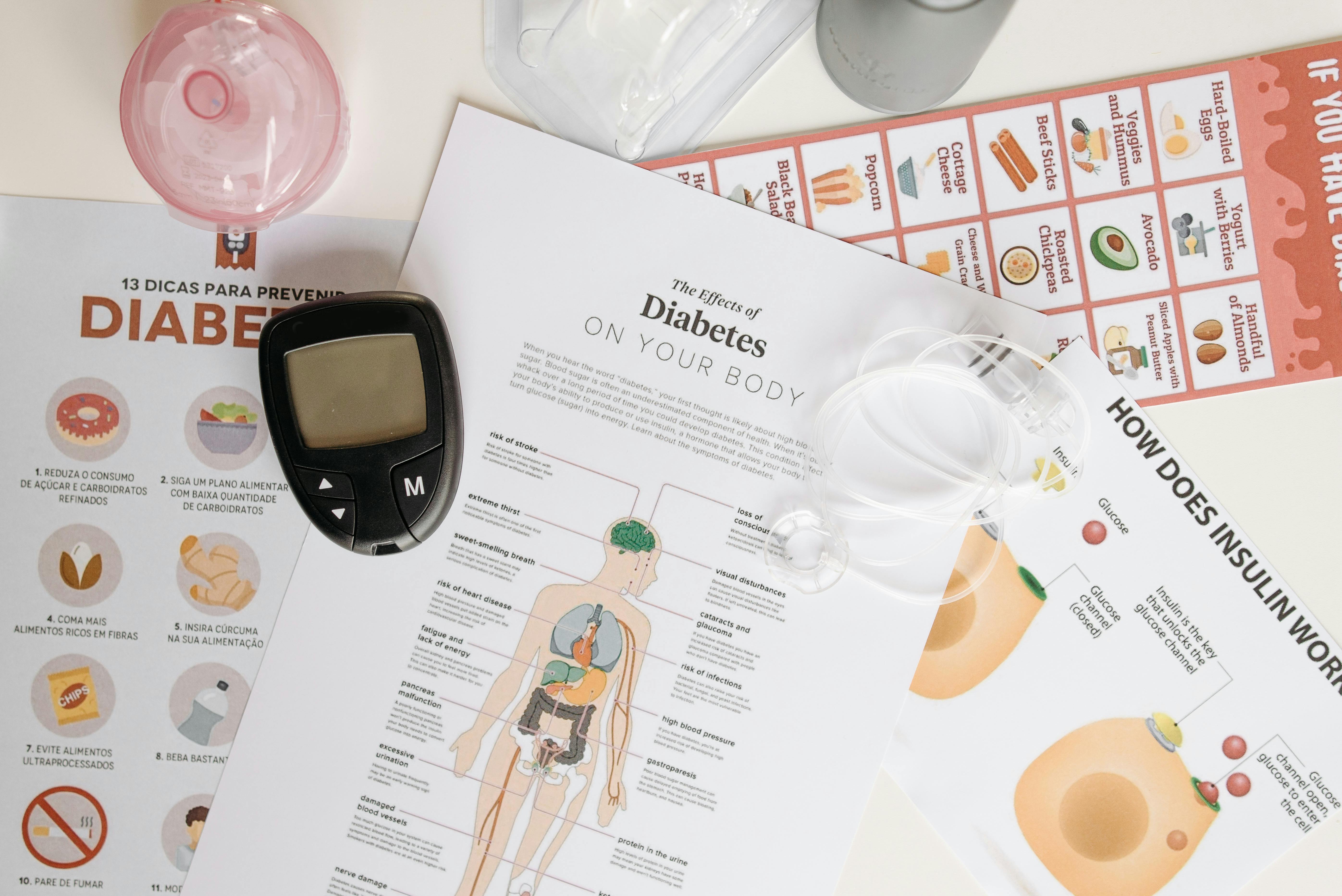
- Type 2 diabetes will become increasingly common at younger ages, requiring lifelong medication and monitoring.
- Hypertension and high cholesterol will rise, feeding into more cases of heart attacks and strokes in middle age.
- Joint problems and osteoarthritis will appear earlier, limiting mobility, productivity, and independence.
We are not simply talking about statistics. We are talking about 40-year-olds with diabetes, 50-year-olds with heart disease, and 60-year-olds already struggling to walk without pain.
Cancer risks nobody wants to mention
Excess body fat is linked to higher risk of several cancers, including colorectal, postmenopausal breast, endometrial, kidney, and pancreatic cancers. Yet the role of obesity in cancer prevention is rarely highlighted in public discourse.
Ignoring obesity today is, in effect, accepting more cancer tomorrow.
The Systemic Failure: Where Are Institutions and "Sanità"?
Italy's sanità (healthcare system) is rightly praised for universal coverage and high-quality acute care. But on obesity, the response has been timid, fragmented, and largely reactive.
Prevention: too little, too late
- School-based interventions exist but are often under-funded, inconsistent, or limited in scope.
- Public campaigns about healthy eating and exercise compete against multi-million-euro marketing budgets from food and beverage industries.
- General practitioners are overloaded and under-incentivized to dedicate time to structured weight-management support, behavior change counseling, or early intervention.
In practice, the system tends to react after obesity has already caused diabetes, hypertension, or joint damage—when the human and financial cost is much higher.
Food environment: the elephant in the room
- Ultra-processed food and sugary drinks remain cheap, convenient, and aggressively promoted, including to children.
- There is insufficient bold policy on issues like marketing restrictions to minors, sugar taxes, mandatory front-of-pack labeling, or subsidies for healthier foods.
- Responsibility is subtly shifted to individuals—"eat less, move more"—while the environment is engineered to push people toward the opposite behaviors.
This gap between public health rhetoric and actual policy is one of the most scandalous aspects of Italy's obesity crisis.
What Needs to Change: From Blame to Structural Action
It is easy to blame individuals for "lack of willpower". It is harder—but essential—to admit that the system is set up to make unhealthy choices the default.
At the policy level
Italy urgently needs:
- Strong, evidence-based national strategies on obesity with clear targets and timelines.
- Better regulation of marketing of junk food to children, particularly online and on TV.
- Fiscal and regulatory incentives that make healthy foods more affordable and accessible, especially for low-income families.
- Urban planning that prioritizes walkability, cycling, and green spaces over car-centric design.
Without structural change, telling people to "just eat better and exercise" is little more than institutional hypocrisy.
In schools and workplaces
- School canteens should align with strict nutritional standards, not just cost and convenience.
- Daily physical activity—not just a token weekly PE class—should be a non-negotiable part of education.
- Workplaces should be encouraged (or required) to support active commuting, movement breaks, and healthier food offerings.
Children and workers are spending most of their waking hours in environments that could either protect or damage their health. Right now, the protection is insufficient.
What Individuals Can Still Do (Even in a Broken System)
While we wait for institutions to catch up, individuals and families still have some power to change course.
Reclaiming a real Mediterranean pattern
- Cook at home whenever possible, focusing on vegetables, legumes, whole grains, olive oil, fish, and nuts.
- Treat ultra-processed foods, sugary drinks, and sweets as occasional indulgences, not daily staples.
- Reduce portion sizes slightly and eat more slowly, paying attention to hunger and fullness cues.
These are not glamorous hacks; they are boring, effective, and profoundly protective.
Making movement non-negotiable
- Aim for at least 150 minutes per week of moderate activity (like brisk walking) or 75 minutes of vigorous activity.
- Incorporate simple strength exercises (squats, push-ups, resistance bands) twice a week to preserve muscle mass.
- Reduce sitting time: stand up and move every 30–60 minutes, walk for short trips, use stairs instead of lifts.
Even modest increases in daily movement can prevent further weight gain and improve metabolic health.
A Narrow Window of Opportunity
Italy stands at a crossroads. It can continue to cling to a nostalgic image of itself as lean, active, and protected by the Mediterranean diet while the statistics quietly worsen. Or it can confront reality: obesity is now one of the country's most urgent and preventable health threats.
The data already show the direction of the trend. The real question is whether there is the political will, institutional courage, and collective honesty to change it before an entire generation pays the price in lost health, productivity, and quality of life.
The clock is ticking—and pretending otherwise is the most dangerous illusion of all.
About the Author
Dr. Amanda Chen
Certified Fitness Professional & Nutrition Specialist
Expert fitness professional with over 10 years of experience helping people achieve their health and fitness goals through evidence-based training and nutrition. Certified by ACSM and NASM with specializations in weight management and sports performance.