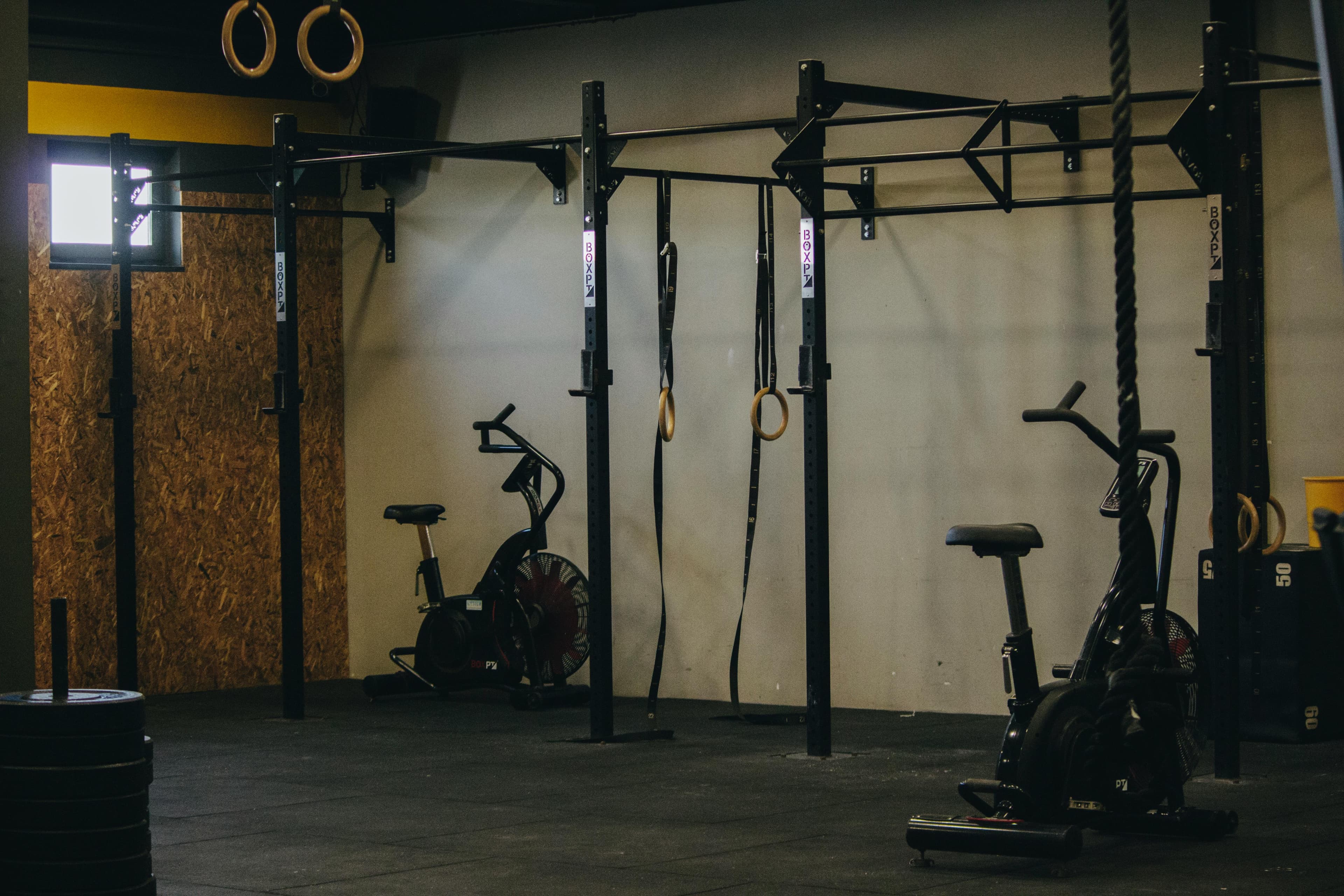
How to Make Your First Traction: A Beginner’s Guide for Safe and Effective Pulling
Traction exercises are a powerful tool for spinal decompression, posture improvement, and muscular balance. They’re commonly used in physical therapy, rehabilitation, and fitness routines to relieve tension in the spine, shoulders, and neck. Yet many beginners are unsure where to start, how to perform traction safely, or what to expect.
This guide walks you through the process of making your first traction, including setup, technique, common mistakes, and medical considerations—all written in an inclusive, human-centered style.
What Is Traction and Why It Matters
Traction involves applying a controlled pulling force to stretch specific areas of the body. It’s often used to:
- Reduce pressure on spinal discs and vertebrae
- Improve posture and alignment
- Relieve muscular tension and stiffness
- Support recovery from minor back or neck discomfort
Traction is not a replacement for medical treatment in cases of injury or chronic conditions. It’s a safe, effective technique when performed carefully and progressively.
Types of Traction
Before attempting your first traction, understand the main methods:
1. Manual Traction
- Performed by a physical therapist or trained partner
- Hands apply controlled pulling
- Typically used for specific areas of the spine
2. Mechanical Traction
- Uses equipment like inversion tables or harness systems
- Force is applied gradually and consistently
- Useful for home practice under guidance
3. Self-Traction
- Performed using body weight and leverage (e.g., hanging from a pull-up bar, using a yoga strap)
- Allows beginners to practice gently at home
- Requires focus on control and safety
For your first traction, self-traction or supervised mechanical traction is safest.
Preparing for Your First Traction
Step 1: Choose Your Space
- Flat, open area with enough room for movement
- Stable surface for equipment or floor traction
- Access to a wall, bar, or secure anchor point if needed
Step 2: Gather Equipment
- Yoga mat for cushioning
- Sturdy bar, door-mounted pull-up bar, or suspension strap
- Optional: traction harness or inversion belt
Step 3: Warm Up
- Perform light dynamic stretches:
- Cat-cow stretches for the spine
- Shoulder rolls
- Hip mobility movements
- 5–10 minutes is sufficient
Warming up prepares muscles and joints, reducing risk of strain during traction.
Performing Your First Traction
Method 1: Hanging Traction (Hands)
- Grip a sturdy pull-up bar with palms facing away or towards you
- Let your body hang naturally
- Keep feet slightly off the ground (or lightly bent knees)
- Relax shoulders and core
- Start with 10–20 seconds, gradually increasing as comfort allows
- Return to the floor slowly
Focus: gentle decompression, not active pulling
Method 2: Seated Strap Traction (Back)
- Sit on a chair with a strong resistance band or strap around your upper back
- Hold the ends of the strap in front of you
- Gently pull forward while keeping spine long and shoulders relaxed
- Hold 10–15 seconds
- Release slowly
Focus: elongating spine and shoulder girdle
Method 3: Floor Self-Traction (Hips and Lower Back)
- Lie on your back with knees bent and feet flat
- Hold behind the knees or calves
- Gently pull legs toward your chest
- Keep lower back relaxed
- Hold for 10–20 seconds
- Release gradually
Focus: stretching lumbar region without forcing movement
Key Technical Tips
- Breathe steadily: Avoid holding your breath, which increases tension
- Move slowly: Sudden jerks can cause strain
- Engage lightly: Keep core active but relaxed
- Monitor sensations: Mild stretching is normal; sharp pain is a signal to stop
- Start short: 10–20 seconds is enough for your first attempt
Common Mistakes to Avoid
- Overextending the neck or lower back
- Using unstable bars or surfaces
- Pulling with arms instead of letting gravity do the work
- Ignoring pain or discomfort
- Skipping warm-up and cool-down
Benefits of Regular Traction
Consistent, safe traction can offer:
- Reduced spinal compression and joint pressure
- Improved posture and alignment
- Increased flexibility and mobility
- Relief from mild back, neck, or shoulder tension
- Enhanced body awareness for better functional movement
Combined with core strengthening, stretching, and postural exercises, traction supports long-term musculoskeletal health.
Medical Considerations
Consult a healthcare professional before traction if you have:
- Herniated discs or severe spinal injuries
- Osteoporosis or fragile bones
- Acute pain or recent surgery
- Neurological symptoms (numbness, tingling)
Traction is gentle and low-risk, but medical guidance ensures it’s safe for your specific condition.
Progression: From Beginner to Regular Practice
- Week 1–2: 10–20 second holds, 1–2 repetitions, 2–3 sessions per week
- Week 3–4: 20–30 second holds, 2–3 repetitions, 3 sessions per week
- Month 2+: Gradually increase duration or add mild leverage/resistance, based on comfort
Track your response and avoid overdoing it. Consistency is more important than intensity.
FAQ: First Traction Guide
1. Can I hurt myself doing traction at home?
If performed with proper setup and gradual progression, self-traction is very low risk. Avoid jerky movements or unsupported equipment.
2. How long should I hold my first traction?
Start with 10–20 seconds, focusing on relaxation and control. Longer holds can be added over time.
3. How often can I perform traction?
2–3 times per week is a good starting point. Daily traction is possible if your body tolerates it without discomfort.
4. Does traction help herniated discs?
Traction may provide temporary relief, but it does not cure disc herniation. Always consult a healthcare professional for injury-specific guidance.
5. Can children perform traction?
Yes, but only gentle, supervised methods like hanging or floor stretches. Avoid equipment designed for adults.
A Human Closing Note
Your first traction is not about forcing length or strength—it’s about exploration, awareness, and gentle decompression. By starting slowly, focusing on control, and listening to your body, traction can become a safe, effective tool for posture, mobility, and musculoskeletal health.
It’s not magic. It’s mindful movement—and that is one of the most valuable skills you can develop for long-term physical well-being.
About the Author
Studio Citylines Health Desk
Certified Fitness Professional & Nutrition Specialist
Expert fitness professional with over 10 years of experience helping people achieve their health and fitness goals through evidence-based training and nutrition. Certified by ACSM and NASM with specializations in weight management and sports performance.