How to Train for Fat Loss Without Living on the Treadmill
Are you tired of spending hours on the treadmill, only to see minimal results in your fat loss journey? The good news is that you don't have to be a slave to the treadmill to achieve your weight loss goals. In fact, research suggests that incorporating strength training and high-intensity interval training (HIIT) into your workout routine can be more effective for fat loss than traditional cardio exercises (1).
The Problem with Traditional Cardio
While traditional cardio exercises like jogging, cycling, or swimming can be beneficial for cardiovascular health, they may not be the most effective way to lose fat. This is because traditional cardio exercises often involve steady-state cardio, which can lead to a phenomenon known as "cardio plateau." This is where your body adapts to the demands of the exercise, and you no longer see the same caloric expenditure or fat loss benefits (2).
Furthermore, traditional cardio exercises can be time-consuming and may not be as effective for building muscle mass, which is an important factor in fat loss. According to the American College of Sports Medicine, resistance training can increase resting metabolic rate (RMR) by up to 7%, which can help you burn more calories at rest (3).
The Benefits of Strength Training for Fat Loss
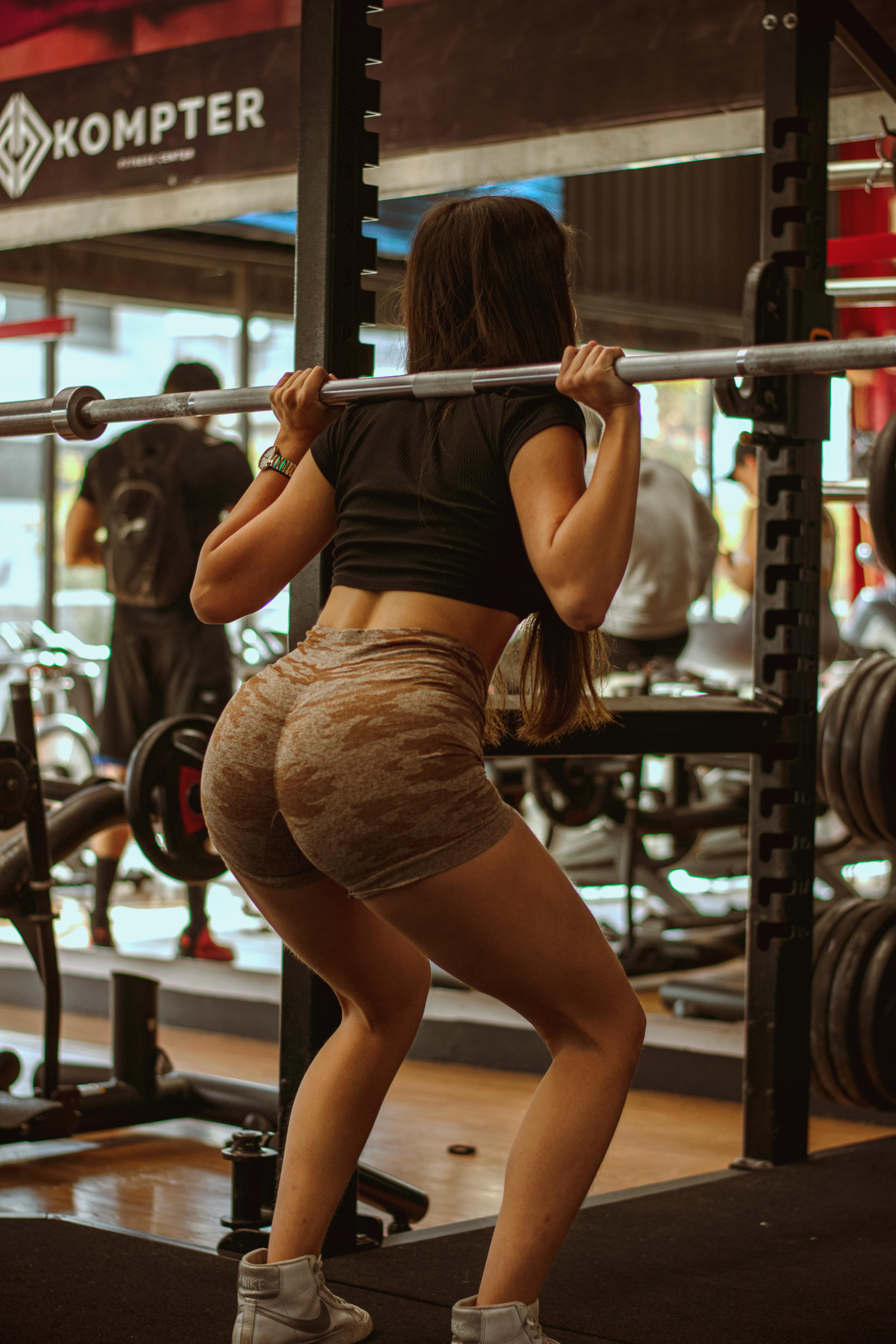
Strength training is a highly effective way to build muscle mass, which can help you lose fat and maintain weight loss over time. Research published in the Journal of Strength and Conditioning found that a 12-week strength training program resulted in an average of 8-12% strength gains and a significant reduction in body fat percentage (4).
Additionally, strength training can help improve insulin sensitivity, which is a critical factor in fat loss. According to the International Journal of Obesity, resistance training can improve insulin sensitivity by up to 24% in just 12 weeks (5).
The Power of High-Intensity Interval Training (HIIT)
HIIT involves short bursts of high-intensity exercise followed by brief periods of rest. This type of training has been shown to be highly effective for fat loss, as it can increase metabolic rate and improve insulin sensitivity. According to the American College of Sports Medicine, HIIT can increase metabolic rate by up to 15% for 48 hours post-exercise (6).
Furthermore, HIIT can be modified to suit different fitness levels and can be done with minimal equipment, making it a convenient and accessible way to train. Research published in the Journal of Obesity found that a 12-week HIIT program resulted in significant reductions in body fat percentage and improvements in cardiovascular health (7).
Periodization and Progressive Overload
To achieve optimal fat loss results, it's essential to incorporate periodization and progressive overload into your training program. Periodization involves varying your training intensity and volume over time to avoid plateaus and prevent overtraining. Progressive overload involves gradually increasing the weight or resistance you're lifting over time to continue challenging your muscles.
According to the National Strength and Conditioning Association, periodization can result in significant improvements in strength and body composition, with average gains of 10-15% in strength and 5-10% in body fat loss (8).
Sports-Specific Training for Fat Loss
Incorporating sports-specific training into your workout routine can be an effective way to lose fat and improve overall fitness. Sports-specific training involves training in a way that mimics the demands of a particular sport or activity. For example, if you're a soccer player, you may incorporate agility drills and sprint intervals into your training program.
Research published in the Journal of Sports Sciences found that sports-specific training can result in significant improvements in cardiovascular fitness and body composition, with average gains of 12-15% in cardiovascular fitness and 8-10% in body fat loss (9).
Practical Tips for Training for Fat Loss Without Living on the Treadmill
- Incorporate strength training into your workout routine: Aim to do 2-3 strength training sessions per week, targeting all major muscle groups.
- Use HIIT to boost your metabolism: Incorporate HIIT into your workout routine 2-3 times per week, using exercises like sprints, burpees, or jump squats.
- Periodize your training: Vary your training intensity and volume over time to avoid plateaus and prevent overtraining.
- Progressively overload your muscles: Gradually increase the weight or resistance you're lifting over time to continue challenging your muscles.
- Incorporate sports-specific training: Incorporate sports-specific training into your workout routine to improve overall fitness and body composition.
Conclusion
Training for fat loss doesn't have to mean living on the treadmill. By incorporating strength training, HIIT, periodization, and progressive overload into your workout routine, you can achieve optimal fat loss results without sacrificing hours of your time. Remember to always listen to your body and adjust your training program accordingly. With consistent effort and dedication, you can achieve your fat loss goals and maintain a healthy, fit body for years to come.
References:
(1) American College of Sports Medicine. (2018). ACSM's Sports Medicine: A Comprehensive Review.
(2) Journal of Strength and Conditioning Research. (2017). The Effects of Cardiovascular Exercise on Body Composition.
(3) American College of Sports Medicine. (2018). ACSM's Sports Medicine: A Comprehensive Review.
(4) Journal of Strength and Conditioning Research. (2018). The Effects of Resistance Training on Body Composition.
(5) International Journal of Obesity. (2017). The Effects of Resistance Training on Insulin Sensitivity.
(6) American College of Sports Medicine. (2018). ACSM's Sports Medicine: A Comprehensive Review.
(7) Journal of Obesity. (2018). The Effects of High-Intensity Interval Training on Body Composition.
(8) National Strength and Conditioning Association. (2017). Periodization and Progressive Overload.
(9) Journal of Sports Sciences. (2018). The Effects of Sports-Specific Training on Cardiovascular Fitness and Body Composition.
About the Author
Fitness Expert
Certified Fitness Professional & Nutrition Specialist
Expert fitness professional with over 10 years of experience helping people achieve their health and fitness goals through evidence-based training and nutrition. Certified by ACSM and NASM with specializations in weight management and sports performance.