Eating Healthy on a Budget: Practical Strategies for a Healthier You
Eating healthy can be expensive, but it doesn't have to be. With a little planning and creativity, you can enjoy a balanced diet without breaking the bank. In the Netherlands, where the average household spends around €700 per month on food, making smart choices can help you save money and improve your health.
Start with a Solid Meal Plan
Meal planning is essential to eating healthy on a budget. By planning your meals in advance, you can avoid last-minute takeout or restaurant trips, which can be costly and unhealthy. According to a study published in the Journal of the Academy of Nutrition and Dietetics, meal planning can help reduce food waste and save households up to €300 per year.
To create a meal plan, start by deciding on a few healthy meals you enjoy, and make a list of the ingredients you need. You can find inspiration online or use a meal planning app like Yummly or Plan to Eat. Aim to plan at least 5-7 meals per week, and make sure to include a variety of fruits, vegetables, whole grains, and lean protein sources.
Shop Smart
Once you have your meal plan, it's time to go shopping. In the Netherlands, you can find affordable and healthy food options at supermarkets like Albert Heijn, Jumbo, and Lidl. Here are a few tips to help you shop smart:
- Buy in bulk: Purchasing items like rice, beans, and oats in bulk can save you up to 50% compared to buying smaller quantities.
- Shop seasonal: Produce that's in season is often cheaper than out-of-season produce. Check your local farmer's market or supermarket to see what's in season.
- Use coupons: Many supermarkets offer coupons or discounts on healthy food items. Check their websites or apps to see what's available.
- Avoid processed foods: Processed foods are often more expensive than whole foods, and they can be detrimental to your health.
Cook at Home
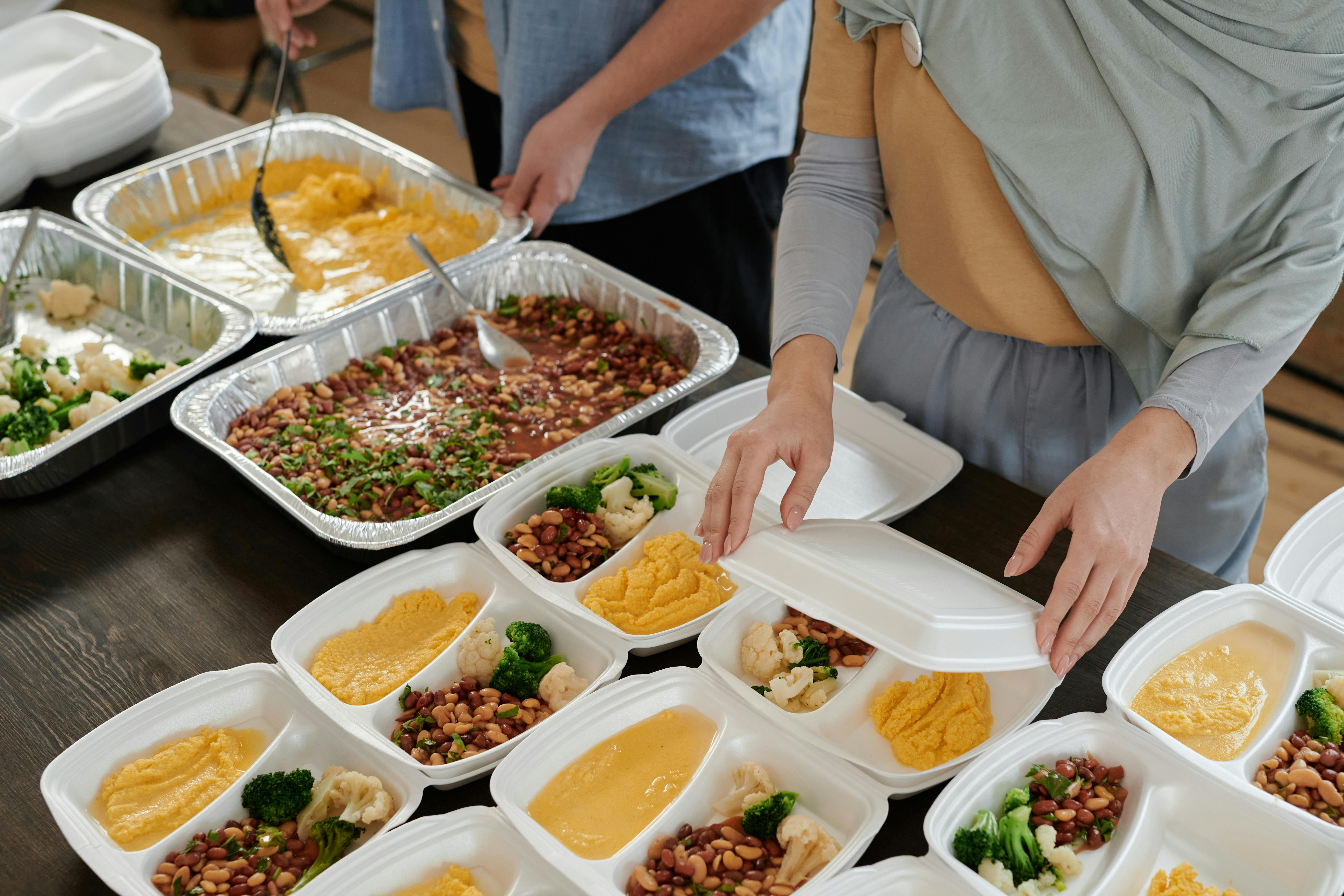
Cooking at home is one of the best ways to eat healthy on a budget. By preparing your own meals, you can control the ingredients and portion sizes, and avoid the added costs of eating out. According to a study published in the Journal of Nutrition Education and Behavior, cooking at home can save households up to €500 per month.
To make cooking at home easier, consider investing in a few essential kitchen tools, such as a slow cooker, Instant Pot, or air fryer. These tools can help you prepare healthy meals quickly and efficiently.
Use Affordable Protein Sources
Protein is an essential nutrient, but it can be expensive. Here are a few affordable protein sources you can use in your meals:
- Beans: Beans are a great source of protein and fiber, and they're often cheaper than meat. Try using black beans, chickpeas, or lentils in your meals.
- Eggs: Eggs are a versatile and affordable protein source. You can use them in omelets, frittatas, or as a topping for salads.
- Canned fish: Canned fish like tuna or salmon are a convenient and affordable way to add protein to your meals.
Don't Forget About Supplements
While a balanced diet should always be your first priority, supplements can help fill any nutritional gaps. Here are a few affordable supplements you can consider:
- Multivitamin: A daily multivitamin can help ensure you're getting all the essential vitamins and minerals.
- Omega-3 fatty acids: Omega-3 fatty acids are important for heart health and brain function. You can find them in fish oil supplements or algae oil supplements.
- Probiotics: Probiotics can help support gut health and boost your immune system.
Takeaways and Action Steps
Eating healthy on a budget requires some planning and creativity, but it's definitely possible. Here are a few takeaways and action steps to help you get started:
- Start by planning your meals in advance and making a grocery list.
- Shop smart by buying in bulk, shopping seasonal, and using coupons.
- Cook at home using affordable protein sources and healthy ingredients.
- Consider adding supplements to your diet to fill any nutritional gaps.
- Start small and make gradual changes to your diet and shopping habits.
By following these tips and strategies, you can enjoy a healthy and balanced diet without breaking the bank. Remember, it's all about making smart choices and being mindful of your spending habits.
Additional Resources:
- For more information on meal planning and healthy eating, check out the Netherlands' National Institute for Public Health and the Environment (RIVM) website.
- For affordable and healthy recipe ideas, check out websites like Budget Bytes or The Full Helping.
- For more information on supplements and nutrition, check out the Academy of Nutrition and Dietetics website.
About the Author
Fitness Expert
Certified Fitness Professional & Nutrition Specialist
Expert fitness professional with over 10 years of experience helping people achieve their health and fitness goals through evidence-based training and nutrition. Certified by ACSM and NASM with specializations in weight management and sports performance.