PrEP and STI Prevention: A Complete, Honest Guide for Sexual Health and Well-Being
Sexual health belongs in the same category as physical training, nutrition, recovery, and mental health. It’s not separate from a healthy lifestyle—it’s part of it. Just like you protect your joints, your heart, and your mental state, protecting your sexual health is an act of self-respect and care for others.
PrEP (pre-exposure prophylaxis) has transformed HIV prevention around the world, but it’s often misunderstood, oversimplified, or surrounded by stigma. Some people see it as a miracle pill. Others see it with fear or misinformation. The truth lives somewhere in the middle: PrEP is a powerful tool—but it works best as part of a complete prevention strategy.
This guide is written to be inclusive, medically grounded, and human. No fear-based language. No judgment. Just clear information so you can make choices that fit your body, your identity, your relationships, and your life.
What Is PrEP?
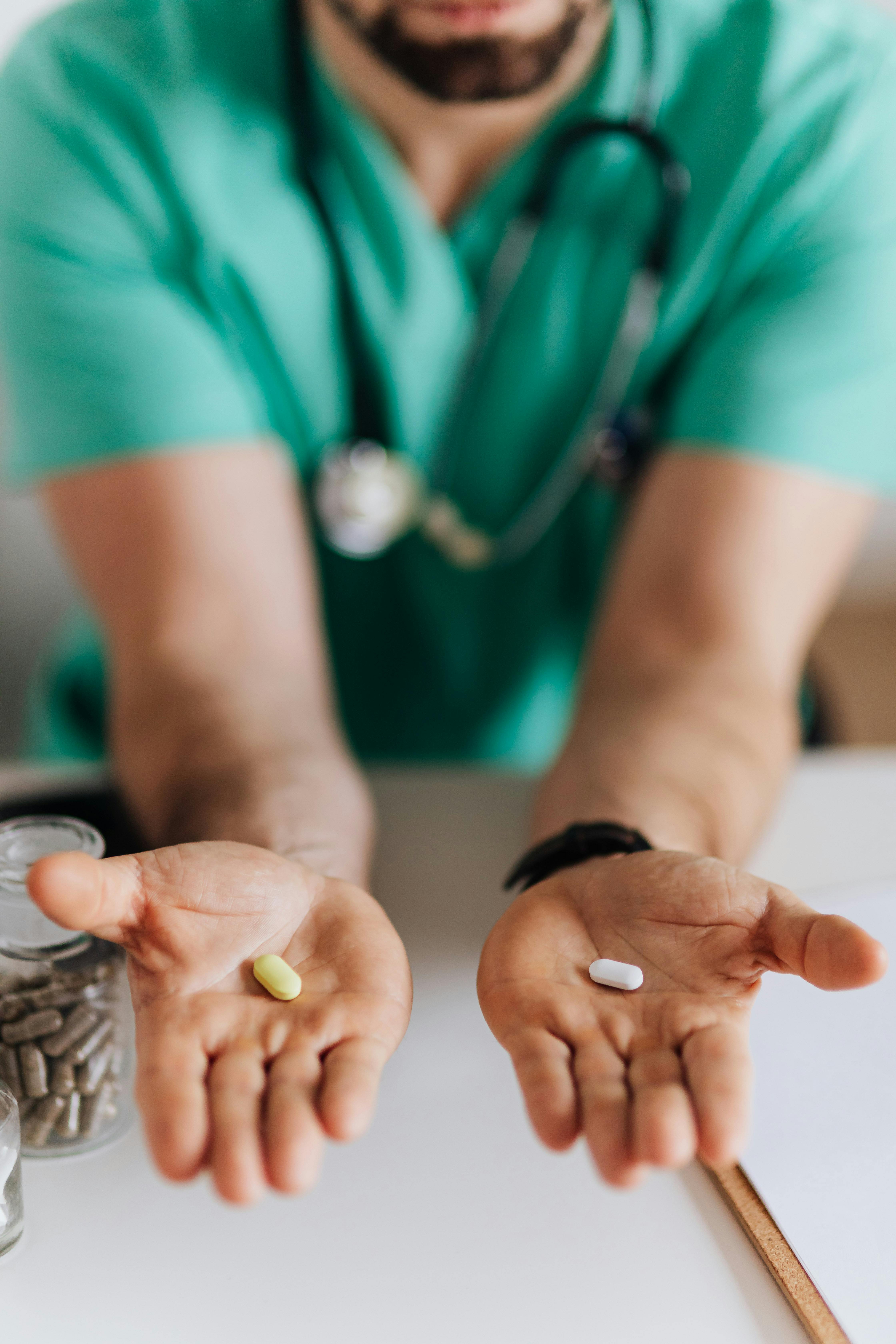
PrEP stands for Pre-Exposure Prophylaxis. It’s a medication taken by HIV-negative people to prevent HIV infection.
When taken correctly and consistently, PrEP reduces the risk of getting HIV from sex by over 99% and from injection drug use by at least 74%. That makes it one of the most effective HIV prevention tools ever developed.
PrEP does not treat HIV. It prevents infection before exposure.
How PrEP Works in the Body
PrEP works by maintaining protective drug levels in your bloodstream and tissues. If HIV enters the body, the medication blocks the virus from replicating and establishing infection.
Think of it like building a biochemical shield—not a physical barrier, but a medical one.
Timing: When PrEP Becomes Effective
This part matters a lot and is often misunderstood.
Daily PrEP timing
- For anal sex:
Protection is reached after 7 days of daily use. - For vaginal sex and injection exposure:
Protection is reached after 21 days of daily use.
This means PrEP is not instant protection. It must be taken before exposure, and long enough for protective levels to build.
Consistency matters
Missing doses reduces effectiveness. PrEP works best when taken:
- At the same time every day
- As part of a routine (like brushing teeth or taking supplements)
Who PrEP Is For
PrEP is for anyone who wants extra protection against HIV, including:
- Gay, bisexual, and queer men
- Transgender people
- Heterosexual people
- People with HIV-positive partners
- Sex workers
- People with multiple partners
- People in non-monogamous relationships
- People who simply want more control over their health
There is no “type” of person PrEP is for. Risk is about situations, not identity.
Medical Safety and Risks
PrEP is medically well-studied and considered safe for most people.
Possible side effects (usually temporary):
- Nausea
- Headache
- Fatigue
- Digestive discomfort
These often resolve within the first few weeks.
Medical monitoring
People on PrEP typically have:
- Regular HIV testing
- Kidney function monitoring
- STI screening
This isn’t punishment—it’s protection and prevention.
For most people, PrEP is low risk and high benefit when prescribed and monitored properly.
What PrEP Does NOT Do
This is crucial:
PrEP only protects against HIV.
It does not protect against:
- Chlamydia
- Gonorrhea
- Syphilis
- HPV
- Herpes
- Hepatitis B or C
That’s why PrEP works best as part of a layered prevention strategy, not as a standalone solution.
Other STI Prevention Methods (Layered Protection)
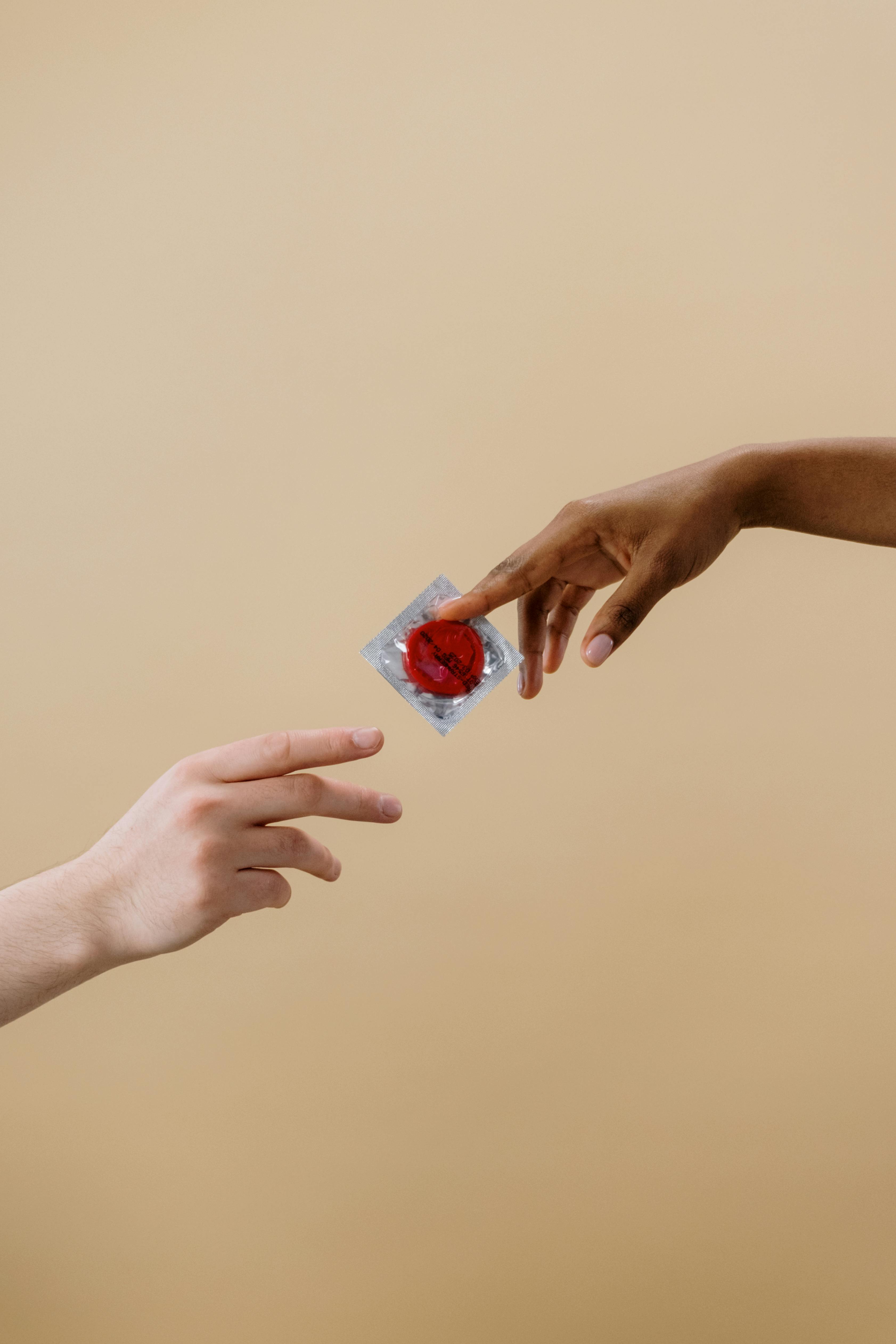
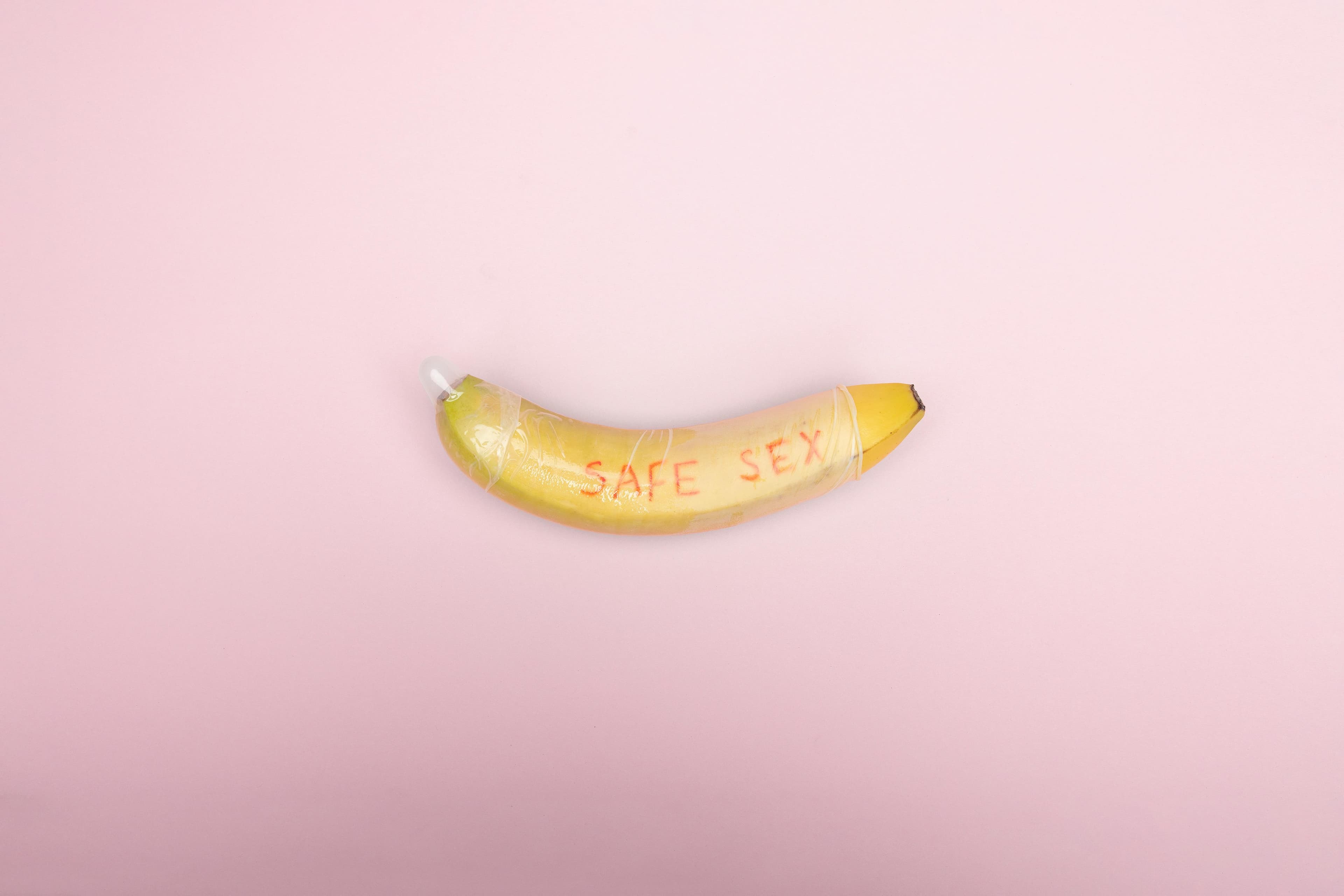
1. Condoms
Still one of the most effective tools for preventing most STIs.
Protects against:
- HIV
- Gonorrhea
- Chlamydia
- Syphilis
- Some protection against HPV and herpes
Condoms + PrEP together = very high protection.
2. Regular Testing
Testing is prevention.
Early detection:
- Reduces complications
- Reduces transmission
- Improves treatment outcomes
Routine testing builds safety into your life, not fear.
3. Vaccinations
Some STIs are vaccine-preventable:
- HPV
- Hepatitis A
- Hepatitis B
Vaccination is one of the most powerful long-term protection strategies available.
4. Communication and Consent
Honest conversations about:
- Testing status
- Boundaries
- Protection preferences
This isn’t awkward—it’s mature, healthy, and respectful.
5. Treatment as Prevention (TasP)
People living with HIV who are on effective treatment and have an undetectable viral load cannot transmit HIV sexually (U=U: Undetectable = Untransmittable).
This is a scientifically proven medical fact.
Sexual Health and Mental Health
Fear, shame, and stigma around sex cause real harm. They stop people from testing, learning, and protecting themselves.
Healthy prevention is not about paranoia. It’s about calm responsibility.
Confidence comes from knowledge—not silence.
Fitness Culture and Sexual Health
In fitness spaces, we often talk about:
- Discipline
- Routine
- Self-control
- Responsibility
- Respect for the body
Sexual health fits into this naturally. Protecting yourself and others is not weakness—it’s strength.
It’s self-leadership.
Recommendations for a Balanced Approach
A healthy prevention mindset looks like this:
- PrEP if appropriate for your life and risk profile
- Condoms as a physical barrier
- Regular testing
- Vaccinations
- Medical guidance
- Open communication
- Non-judgmental education
Not perfection. Consistency.
Not fear. Awareness.
Not shame. Responsibility.
A Human Closing Note
You don’t have to be perfect to be responsible. You don’t have to know everything to start learning. And you don’t have to fit a label to deserve protection.
PrEP is not about identity—it’s about access to safety.
STI prevention is not about morality—it’s about health.
Sexual health is not separate from wellness—it is wellness.
Your body is worth protecting.
Your partners are worth respecting.
Your health is worth investing in.
And learning how to do that—calmly, clearly, and without shame—is one of the strongest forms of self-care there is.
About the Author
Studio Citylines Health Desk
Certified Fitness Professional & Nutrition Specialist
Expert fitness professional with over 10 years of experience helping people achieve their health and fitness goals through evidence-based training and nutrition. Certified by ACSM and NASM with specializations in weight management and sports performance.